Star Brewery Gallery Lewes, 'We Are One’
In advance of my solo exhibition at the Star Brewery Gallery, Lewes in October I have some paintings in the gallery's one year anniversary online exhibition 'We Are One' alongside some great artists, here:
https://www.starbrewerygallery.com/one-year-exhibition
#starbrewerygallery #starbrewerygallerylewes #exhibition

Memory Painting
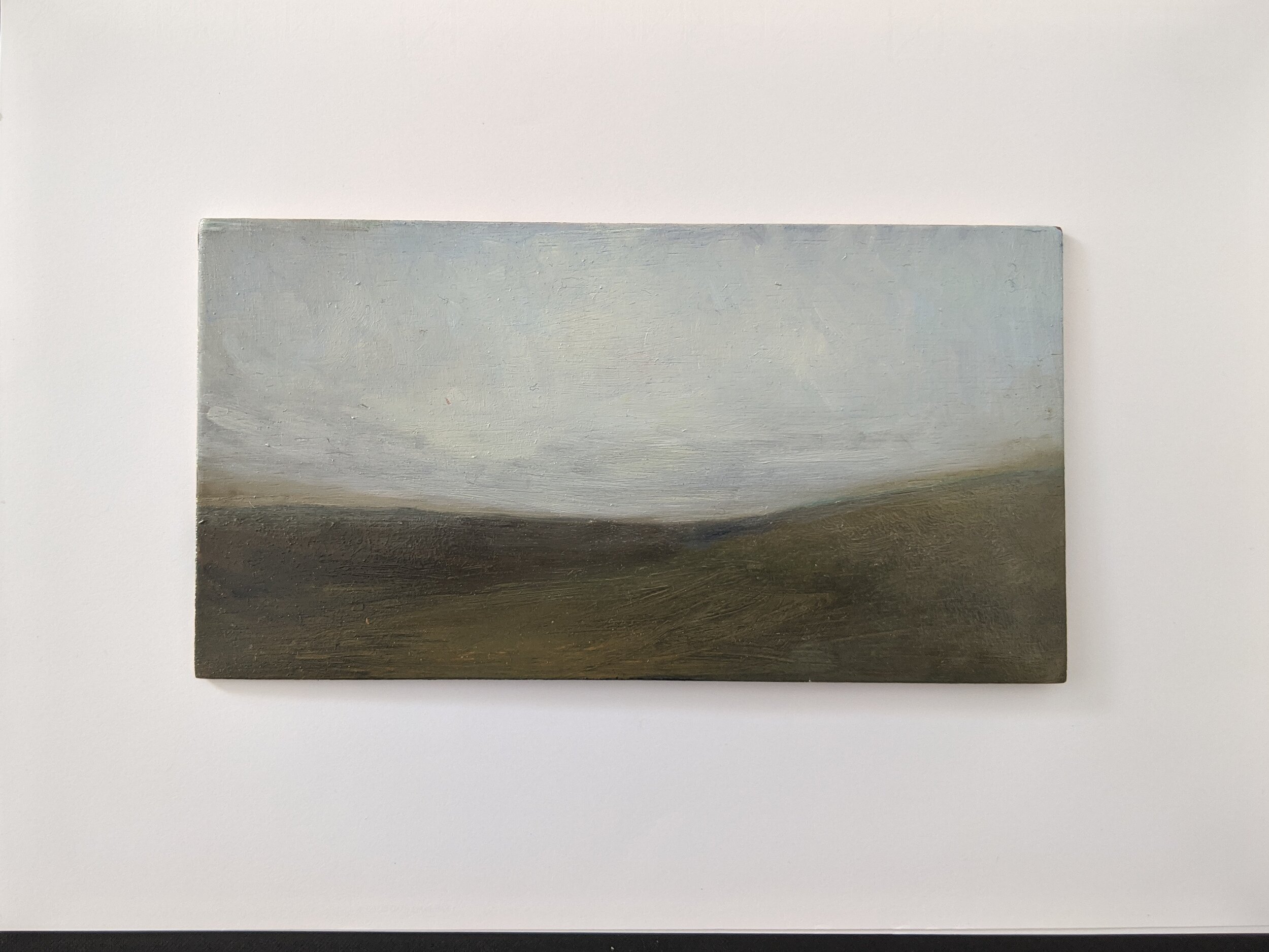
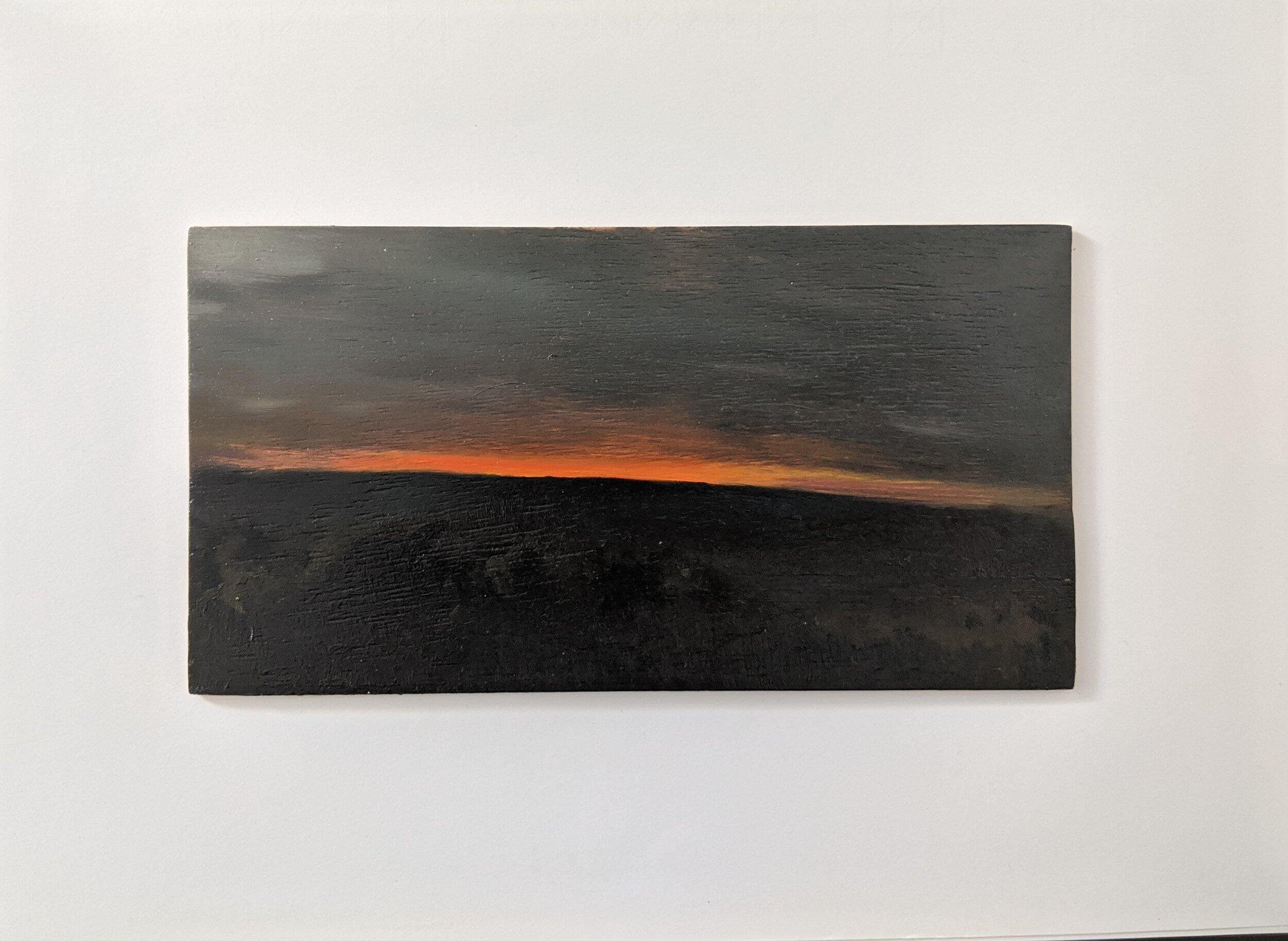
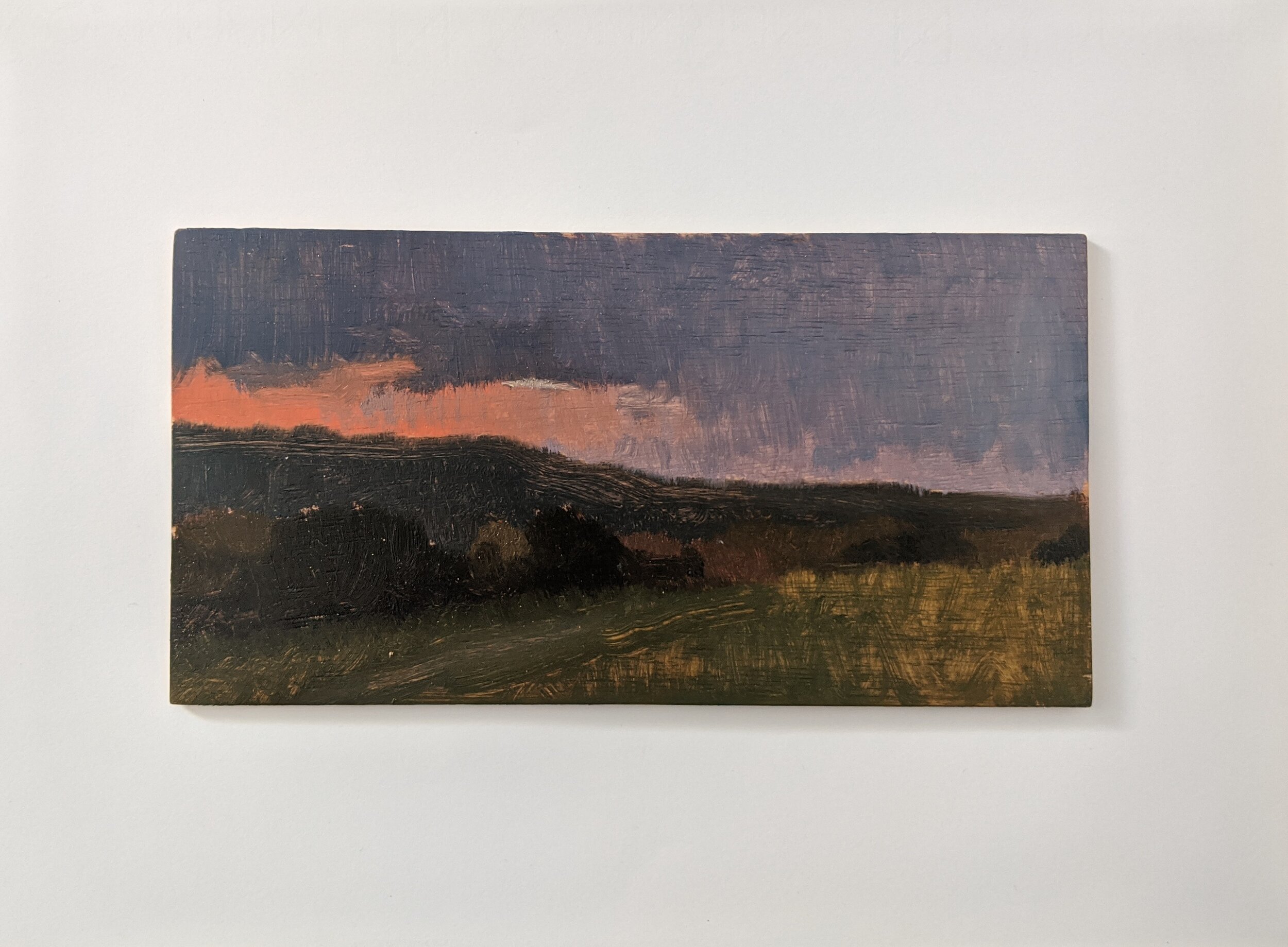
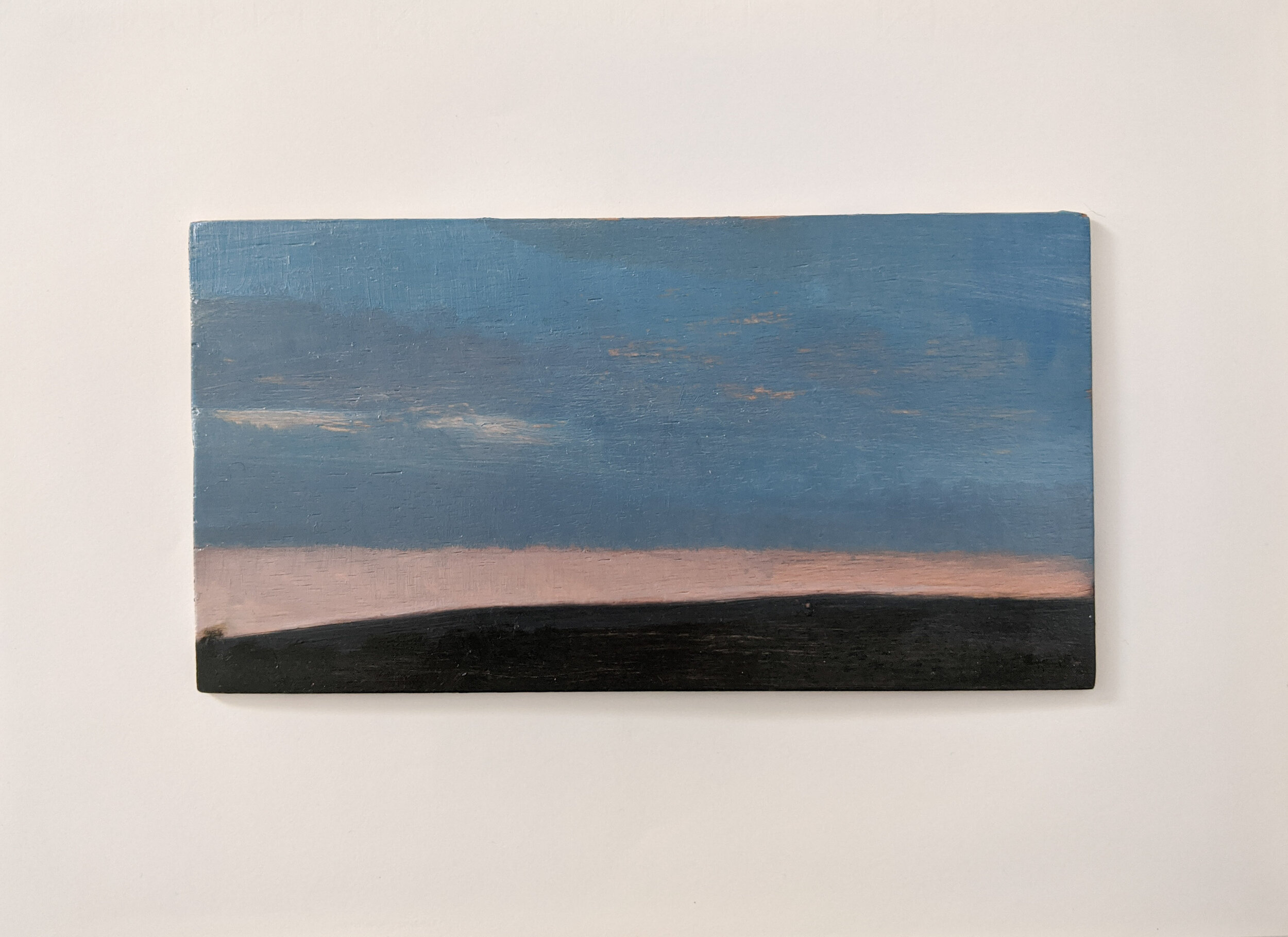
I recently recorded a short demo for @isolationartschool on memory painting. Memory work regularly informs my practice but developing ones visual memory is an important skill for any aspiring naturalistic painter and I’d encourage all students to make regular memory studies.
I recently recorded a short demo for @isolationartschool on memory painting. Memory work regularly informs my practice but developing ones visual memory is an important skill for any aspiring naturalistic painter and I’d encourage all students to make regular memory studies. Perhaps starting with evening memory drawings of the model that was studied at length during the day before progressing on to paint and to landscape.
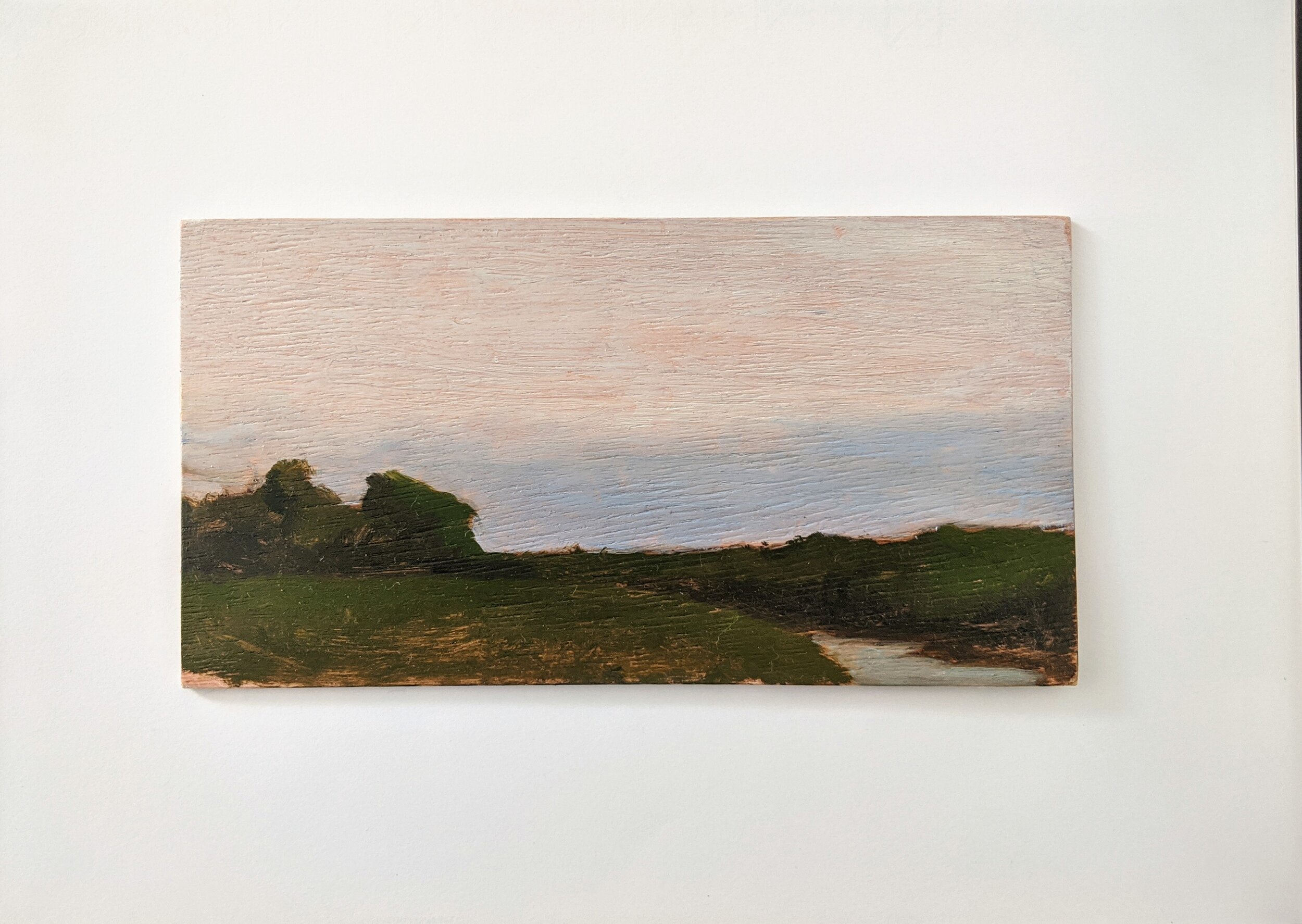
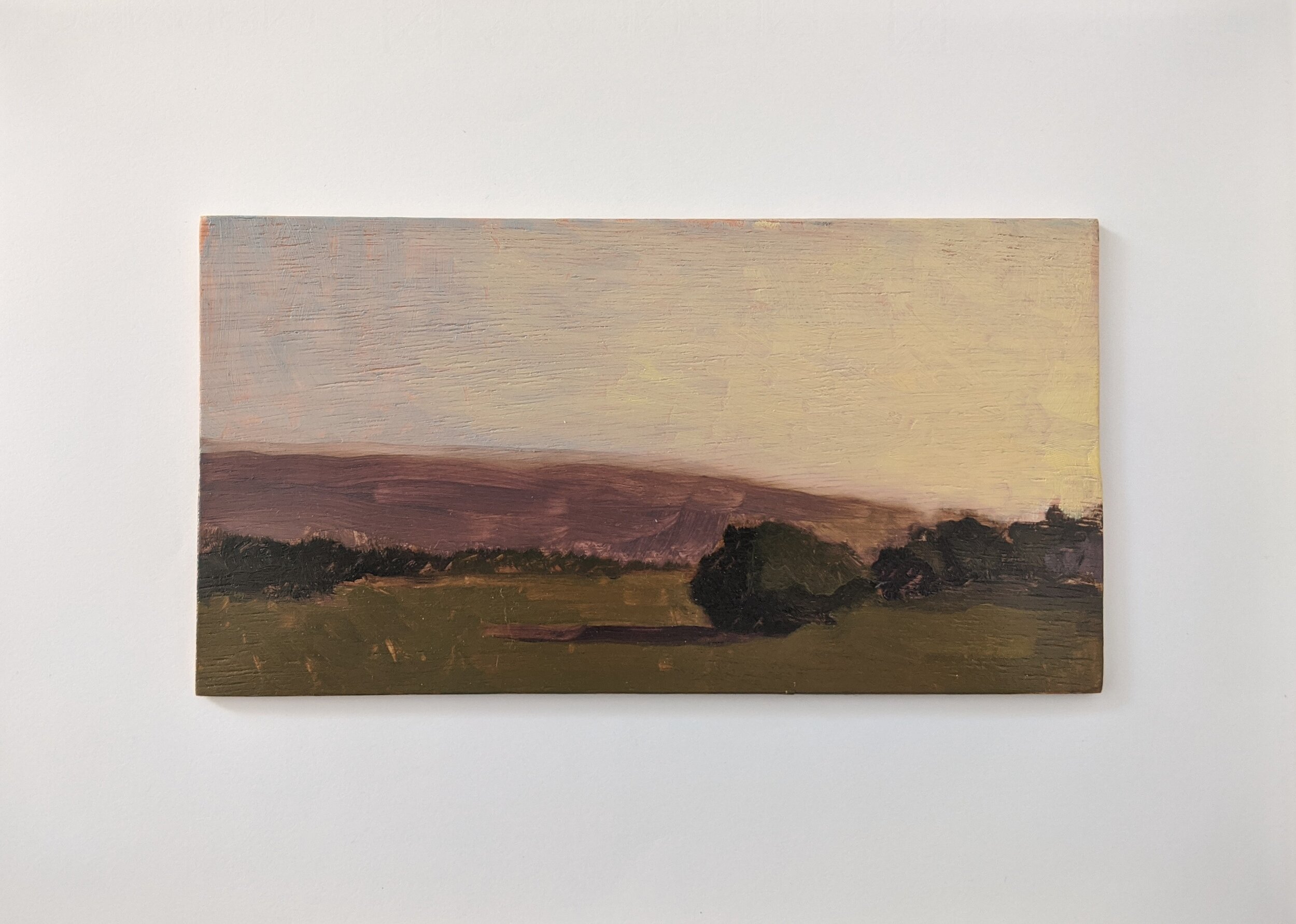
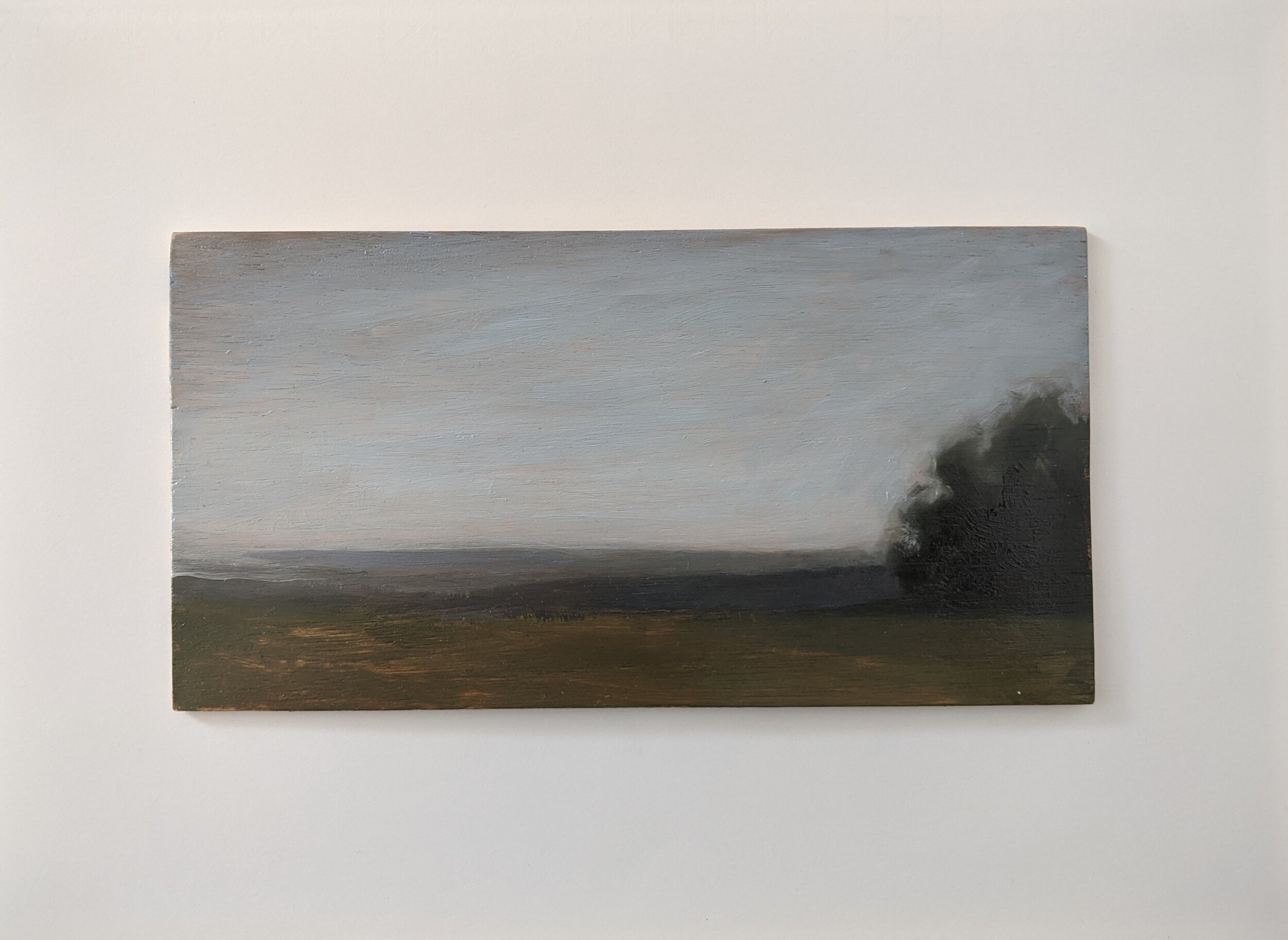
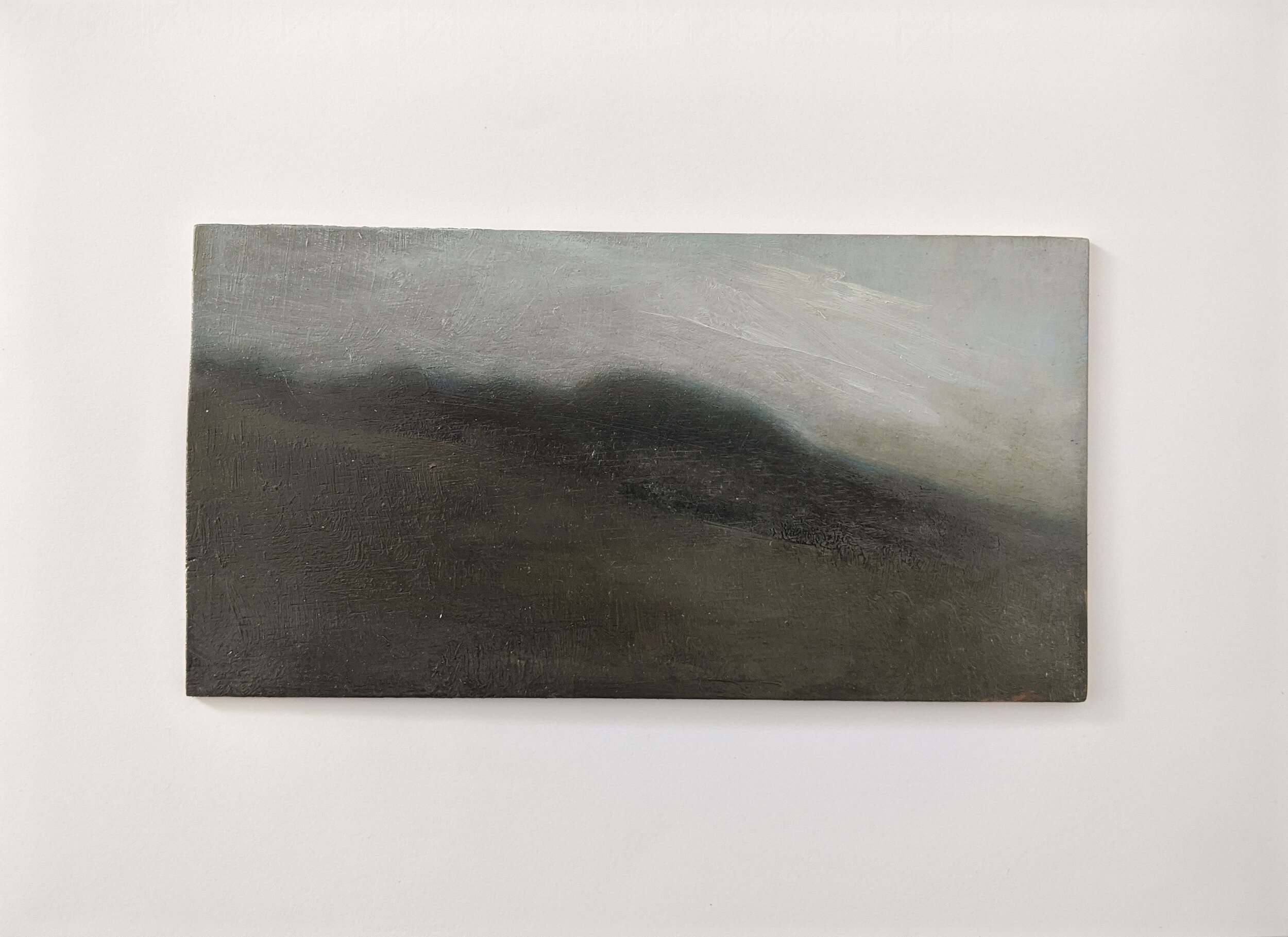
Developing your visual memory is important since even when painting directly from observation you’re still using your memory – models move and the colour and intensity of light changes. This is particularly the case in landscape painting where shadows move and light effects can be fleeting. Memory work helps you focus on the information that made an impression on you rather than niggling with detail.
Here are some examples of recent small memory studies of the local Lewes landscape from evening walks taken during lockdown.

The video itself is here:
Artificial Lighting and the Artist Studio
Natural north light lit studios can be hard to come by. That’s particularly the case here in the south east of the UK where the price of property can be prohibitive. There are though modern electric lighting solutions, and whilst they still don’t compare to the real thing it is possible to establish a perfectly adequate set up. I’ve found information on the subject hard to come by so I thought I’d share what I’ve learnt. Perhaps it might be useful now in particular for those of you wanting to set up a painting studio at home.
Natural north light lit studios can be hard to come by. That’s particularly the case here in the south east of the UK where the price of property can be prohibitive. There are though modern electric lighting solutions, and whilst they still don’t compare to the real thing it is possible to establish a perfectly adequate set up. I’ve found information on the subject hard to come by so I thought I’d share what I’ve learnt. Perhaps it might be useful now in particular for those of you wanting to set up a painting studio at home.
Our first studio used artificial light only. Nowadays we use a combination of artificial and natural light in our smaller studio, and natural light in our larger studio. I’ve therefore had to do a lot of research over the past few years and have experimented a lot, with mixed results. The subject can become complex and most electricians and even specialist electric lighting providers are not familiar enough with it to offer much help.
The Natural Light Studio
Before exploring electric lighting solutions though it’s useful to understand the ideal lighting environment for a representational painter.
Form is primarily revealed through light and shadow. Lighting - its direction, quality, colour, intensity - should therefore be one of, if not the, primary concern when setting up a project. (I’m often surprised at how little thought seems to be put into the lighting in some art studios!)

John Singer Sargent’s studio, 33 Tite Street, Chelsea, London
Ideally both your subject matter and canvas would be lit by the same light source, so that colours and values placed on the canvas would be seen under the same light as they are observed in nature. Working sight size (with the canvas placed alongside the subject) allows for this by design.
In the northern hemisphere, a north facing window will provide a cool light in a relatively unchanging direction. By using north light you avoid having direct sunlight shine into the studio while you work, and your subject matter and painting will be seen in the same cool atmosphere.
Light from east, west and south facing windows is constantly changing and is therefore not conducive to painting from life. These conditions can be managed though - attaching a translucent paper (such as tracing paper) or similar to a window can help diffuse direct sunlight, and carefully choosing your painting hours around the movement of the sun across the sky can help manage any change in direction of light.
A larger light source will produce more diffuse shadows, whereas a smaller light source will focus the light and produce more defined shadow edges. A light source approximately 1 metre square works well.
The angle of the light is important. A high light source can reduce glare on a vertical canvas but if too high creates deep shadows in the eye sockets, and under the nose and jaw of a sitter, which can be unflattering. A side light (90 degrees) tends to flatten form, and can be difficult for a sitter to look into. It can can also result in substantial glare on a vertical canvas. Low lighting (below eye level) can sometimes provide an interesting effect but is atypical. When working sight size a balance may need to be found between the desired lighting conditions of the subject and those that work well on the canvas. Light from an angle of around 35-45 degrees tends to work best for both subject and to manage glare.

Women’s life drawing class at the Art Students League, c. 1903. Archives of the Art Students League of New York
The placement of the subject and canvas in relation to the light source is also important. If the subject is placed close to the light source, shadows will be longer and more intense. Whereas shadows will be softer and more diffuse at a distance.
Even with the ideal light source, managing the amount and intensity of direct light and reflected light is important. A good studio would usually be equipped with a variety of blinds, curtains or drapes to manage the amount of direct and reflected light entering the room. Reflected light inside the room can managed with dark non reflective walls, floors etc. Blocking off the lower part of a window will stop light reflected from objects outside and using a hood above the window will block light reflected from the ground outside onto the ceiling and into the studio.

Rembrandt’s studio, Amsterdam - note the hood above the far window
Of course even north light is constantly changing. It is cooler in the morning and warmer in the early evening. Shadows are darker and edges more diffuse on overcast days whereas there will be more reflected light on bright days. Since nature is constantly changing, even in ideal lighting conditions it is the painters job not to merely copy but to learn to select from a variety of ideas presented over the course of the painting.
Electric Lighting Solutions
If the intention is to approximate the ideal natural light painting conditions then an electric lighting set up should bath the subject and canvas in a cool soft light of sufficient quality and intensity at an angle of between 35 and 45 degrees.
The colour temperature of a light source is measured in Kelvin (K). Colour temperatures over 5000K are cool (blueish), while lower colour temperatures (2700-3000K) are warm (yellowish). A regular household incandescent bulb gives a warm light and measures around 3000K. An artificial light with a Kelvin of 5500K gives a white light and one with a 6000K gives a cool blue light closer to north light. 5000k-6000k work well in an artist studio.
Colour rendering index (CRI) is a measure of the ability of a light source to reveal the colours of various objects faithfully in comparison with a natural light source. So for artist studios artificial lights with a high CRI, ideally over 90 and as close to 100 as possible, are desirable.
Brightness is measured in Lumens. The brightness (total Lumens) you require will depend on the size of your room, positioning of lights (height and distance from subject) and other factors. The calculations are complex but broadly, for a medium sized room, a total of 5000-8000 lumens should be sufficient.
Depending on the size of your studio, a metre square high north light source could therefore be approximated using one or more 5000K-6000K CRI90+ lamps positioned a little back from and above your subject and canvas, such that the angle of light to the subject is 35-45 degrees. Ideally these would be dimmable to allow for different effects or moods and to fine tune brightness.
Once difficulty with low or medium height rooms can be ensuring sufficient brightness in the room as a whole whilst maintaining a diffuse soft light on the subject and canvas. Of course this can also be an issue in a natural light studio. To manage this additional electric lights could be added to the far ends of the room away from the subject, being sure to block the light from these onto the subject with well positioned blinds or drapes.
What are the Options?
To my knowledge no current electric lighting solution can compare with the beauty of natural light. However, daylight replicating solutions do exist. You can find fluorescent, compact fluorescent bulbs and LEDs with good CRI and CCT numbers online or in specialist lighting stores. LEDs tend to be the most energy efficient but can sometimes struggle rendering red colours. If using LED light fittings consider those with high CRI and a particularly good R9 value.
For small studios a simple solution is to use a few compact fluorescent lamp bulbs which can be easily screwed into your existing fitting.
If you want to be able to move lights around your space then track lighting is a good solution. Track lighting comes as either 1 or 3 circuit track. 3 circuit track allows you to have 3 different circuits with different luminaires on each track all controlled separately. It is a little easier to install (apparently) but is more expensive.
Track luminaires are typically spot lights which tend to focus the light and so are more useful in a gallery setting to light individual artwork. A handful of spots placed together, specialist spot lights with an adjustable diameter or ‘wall washer’ luminaires should be used to avoid provide the even, uniform wash of light required in a painting studio. Fantastic specialist track mounted luminaries exist, such as those supplied by Erco and Illuma amongst others. But GU10 LED lamps with GU10 LEDS can also be used with 3 circuit track.
I hope you found this blog post useful. If you’d like to ask me a question, or if you can offer more information on electric lighting solutions for artist studios do let me know.
Jason
Preparing Panels with Shellac
I prefer to make my own materials wherever possible. Be that grinding paints, thickening oils, sizing and priming canvas or preparing panels. In preparing your own materials you develop a better understanding of them, which in turn yields better results. Of course, it also has the benefit of being cheaper.
In this post I thought I’d share how I currently prepare small panels for painting.
I prefer to make my own materials wherever possible. Be that grinding paints, thickening oils, sizing and priming canvas or preparing panels. In preparing your own materials you develop a better understanding of them, which in turn yields better results. Of course, it also has the benefit of being cheaper.
In this post I thought I’d share how I currently prepare small panels for painting.
Jason
Approach
I use 3mm ply machine cut to size (usually no larger than 30x35cm (else a thicker ply should be used to avoid the panel warping when paint dries). I lightly sand the edges and face with fine sandpaper to remove any splinters and sharp edges and then size (or ‘seal the surface’) with shellac. I apply two thin coats of shellac; leaving to dry and lightly sanding after each coat. And that’s it! Panels can then be primed but I prefer to paint directly onto the shellac face - an idea I picked up from friends in Florence. The wood shows through the paint in places which gives an interesting effect.
The shellac, and sanding for that matter, is better done outside or in a well ventilated room.
Here are some I prepared a few days ago:

Why Use Wood Panels for Oil Painting?
Like stretched canvas, wood has been used as a support for oil paints for a very long time. It is stronger and more durable than linen or canvas and, depending on the finish, might give a smoother surface. These small panels and also cheaper and easier to prepare than stretching linen to the same scale.
Where to get Wood Panels?
You can purchase wood panels from most good art stores. But your local timber merchant should be able to supply and cut ply to size. Or, if you’re lucky enough to have your own woodworking machinery, you can cut them to size yourself. We use Wenban Smith in Lewes who are excellent, always helpful and friendly: https://www.wenbans.com/
Why Size Wood Panels?
Proper preparation of painting supports is essential for longevity of the work. Like linen, wood panels need to be sealed prior to priming and painting. Sizing creates a barrier layer between paint and the support. This stops oil in the paint from penetrating the wood and causing rot, and moisture and changes in humidity from causing the wood to warp.
Sizing also yields an easier surface to apply subsequent paint layers. It reduces a supports absorbency, allowing paint to sit on the surface to be easily moved around rather than sinking in. Note that sizing is different to priming. Generally a primer refers to a coating that prepares the surface for the acceptance of paint.
Why use Shellac?
Although not traditionally thought of as a sizing material shellac is often used in artwork to seal the surface of wooden or other porous supports that will later be painted over. It is easily applied, dries quickly, and is of low toxicity. It can also be used as an isolating film between layers of paint, both oil and water-based. There are some disadvantages though, it is brittle and tends to yellow over time.
What is Shellac?
Shellac are, of course, an american post-hardocre band lead by Steve Albini …..but also … shellac is a resin secreted by the female lac bug on trees in the forests of India and Thailand. It is processed and sold as dry flakes that can be dissolved in alcohol to make liquid shellac.
Shellac is graded by several variables; the two most common are its wax content and colour. The colour can range from pale yellow to a dark reddish-brown and depends on the sap of the tree that the lac bug lives on and the time of harvest. Shellac naturally contains 3 to 5% wax. The wax reduces the clarity of the finish and makes it less water resistant. Some grades are de-waxed, and these have better transparency and moisture resistance but dewaxed shellac has a much shorter shelf life after mixing it with alcohol (about 6 months).

Photograph by Nuberger13 at en.wikipedia - I created this work entirely by myself., Public Domain, https://commons.wikimedia.org/w/index.php?curid=13477833
How to Prepare Shellac?
I generally use premixed shellac which is readily available from good art stores and general hardware stores. I have found the latter to work perfectly well. These will tend to have a shelf life after which the shellac will not dry.
But best results are usually obtained by preparing your own shellac from dry flakes, which can also be purchased from art supply stores. Dry shellac flakes store indefinitely under proper conditions. These should be dissolved in denatured ethyl alcohol. In the UK that generally means Methylated spirits, which is denatured alcohol with additives, including Methanol (hence the name) to make it undrinkable. Be careful with Meths, it is toxic and highly flammable - never use it near an open flame.
The strength of shellac solutions is traditionally measured by a unit known as a “pound cut,” which refers to the amount in pounds of shellac flakes dissolved in a gallon of denatured alcohol. Most pre-mixed commercial preparations are 3-lb. cuts.
Preparing the shellac is simply a matter of leaving the flakes to dissolve for around 24 hours, perhaps longer if it is cold, stirring occasionally.
#ArtistsSupportPledge
We look forward to soon taking part in the Artist Support Pledge
For those of you who have not yet seen or heard about the pledge circulating on Instagram under #artistsupportpledge, the idea is simple. In a bid to help artists continue during this difficult and challenging crisis this pledge allows them to support each other.
Artists who commit to the pledge will post images of a work that’s for sale, for no more than £200 each (not including shipping), and each time their sales reach £1,000 they promise to buy another artist’s work for £200. Anyone can buy the work.
You will be able to find work by Jason Tremlett on Instagram @jasontremlettpainting and follow/repost the pledge @artistsupportpledge. This pledge was instigated by Matthew Burrows who you can find at www.matthewburrows.org. Thank you Matthew!

Studio Closure - COVID-19 Update
Dear All,
In accordance with UK government advice the studio will now remain closed for the remainder of this term. The situation continues to change rapidly and we are committed to following the advice. We are doing all we can to ensure the atelier will reopen. The earliest we might reopen would be 20th April 2020 but it is now highly likely that we will remain closed for the first half of the summer term and so not reopen until 1st June 2020. Summer courses should be unaffected. But there is no guarantee and we'll review both nearer the time and provide an update.
Thank you to you all for your messages of support, understanding, positivity and love. By no means is this the end of the road for us, rather a bump. We are thinking of you all, the atelier wouldn't be what it is without you. Keep safe and well.
Students
In due course we will write to all students regarding refunds/credit. Once we can reopen, our aim for now is to pick up where we left off, allowing you to all get back to the projects you were working on. In the meantime we have put together a list of exercises and projects to keep you busy (if you so wish) over the coming weeks. We've also created an internet forum where we can all stay in touch, share ideas and images of what we're working on, and where tutors can offer critique or advice if you want it. We'll also add regular posts to our blog so do keep an eye on that.
Models
All of you who were due in last week should now have been paid for that week. Any subsequent weeks where you were booked until the end of term you will absolutely still be paid for, if you haven't been already. Any problems do please contact us directly.
We are open to any ideas you may have about helping you work in whatever capacity, moving forwards, and how we can enable any work for you. Keep us in the loop whether work related or just for a chat and let us know how you are.
Forum
We have developed an online forum for us all to keep in touch. We will also be regularly updating our blog.
https://ateliertremlett.proboards.com/
Student Resources
A reminder that the studio handbook and other information can be found on the student resources area of the website:
Coronavirus (Covid-19) Update
Coronavirus (Covid-19) Update
In light of the most recent government advice we have taken the difficult decision to close the atelier wef today, Tuesday 17th March 2020, and for the remainder of this week. We will review any updated advice at the weekend and confirm our approach for the final two weeks of term on Sunday, but it is probable that we will now not reopen before our usual Easter break.
We understand this may be very disappointing. But in light of the new advice we felt it important that we do our bit in helping to prevent the spread of the virus and our number one priority must be the health of all of us - tutors, students and models.
We are busy putting together a series of exercises to help students continue studies from home if we do not open next week and are also looking at ways we can use technology to continue our group dialogue and critique. In the meantime we encourage you all to continue drawing and painting this week in your sketchbooks.
Of course home study is not a perfect substitute for working under studio conditions and so we are considering a range of options to reimburse students for the cost of any missed sessions. We will finalise these when we have a better understanding of how long we will need to close and the costs involved. But if you are affected and wish to discuss further now please call or email Jason directly.
We are also keen to support all our models during this difficult time, and can confirm that all models will be paid for the time for which they have been booked this term. Furthermore, we are looking at ways to support models going forward should the situation lead to a continued loss of work.
Best wishes and take care
Jason and Jennifer
Summer 2020 Short Courses UPDATE
Details of the short courses we have planned for summer 2020.
For further information please click the link or email us directly.
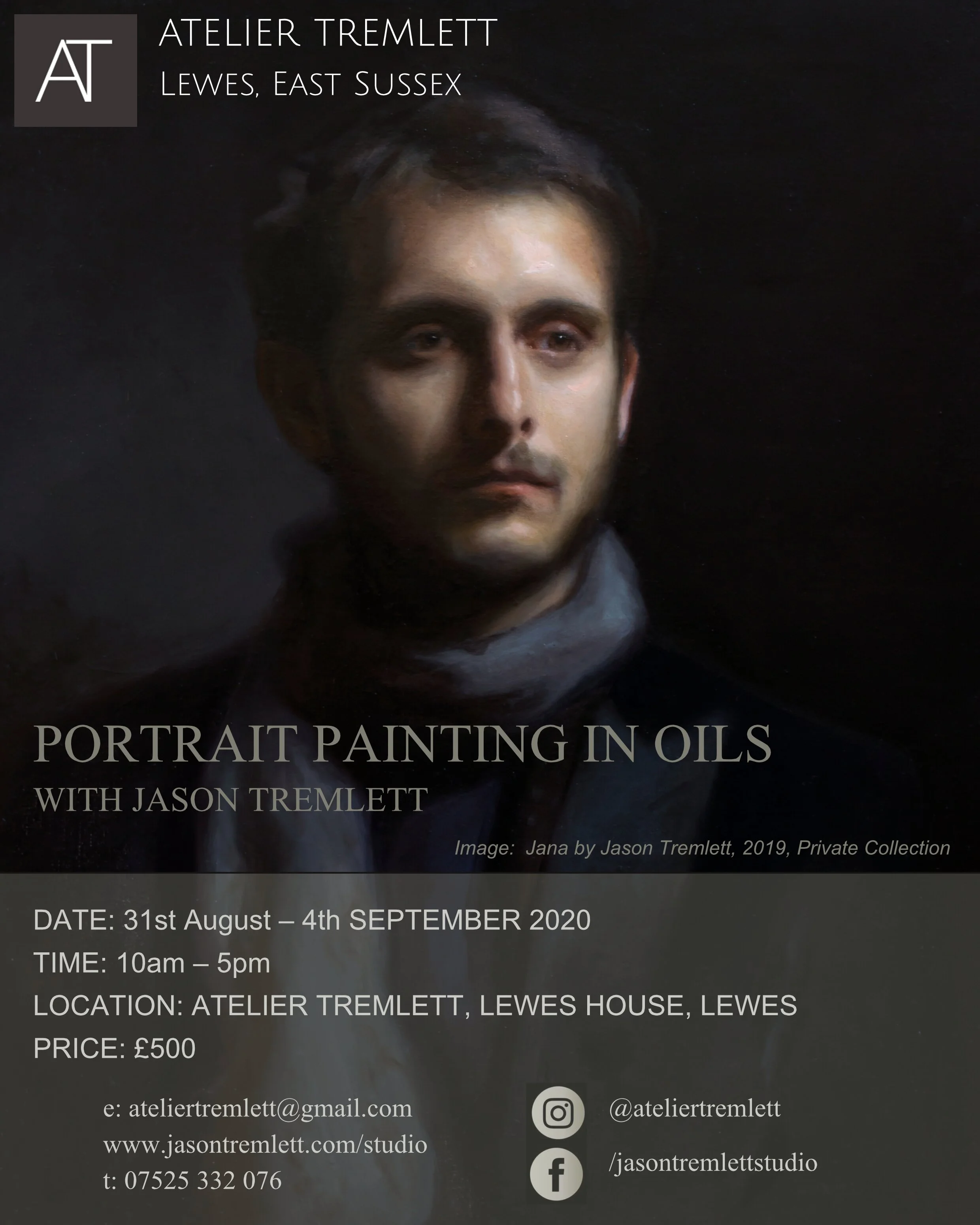
Our first September portrait course has filled up very quickly, so we’ve decided to run the same course again a week earlier 31st August - 4th September 2020. There are some places still available on the Garden Painting course.
If you are interested in joining us for either course please click the link or email us directly.


Charles H Cecil Studio
A great piece on CBS news of Jason’s teacher, Charles H Cecil, and his studio in Florence.
A great piece on CBS news of Jason’s teacher, Charles H Cecil, and his studio in Florence.
Charles visited our atelier in August last year and as well as offering advice and critique on recent work was incredibly encouraging and supportive of what we are doing.
https://www.cbsnews.com/news/keeping-a-classic-technique-of-painting-alive-in-florence/
Summer 2020 Short Courses
Details of the short courses we have planned for summer 2020.
For further information please click the link or email us directly.
Details of the short courses we have planned for summer 2020.
For further information please click the link or email us directly.

TEXTURES & TEXTILES WORKSHOP SPACES STILL AVAILABLE
There are spaces still available for our Autumn Workshop.
There is opportunity to join the Textures & Textiles on 2nd - 3rd November with tutor Ben Laughton Smith. This 2 day workshop will teach you to paint convincing representations of a range of different materials in oil. Capturing surface textures is a vital component of still life painting and the clothed portrait.
This workshop is suitable for all levels of ability whether a beginner or an experienced artist but a background in sight-size drawing/painting would be beneficial.
If you are interested or wish to know more do get in touch via the atelier email ateliertremlett@gmail.com

WORKSHOP SPACES STILL AVAILABLE
There are a few spaces available on our Summer Workshops.
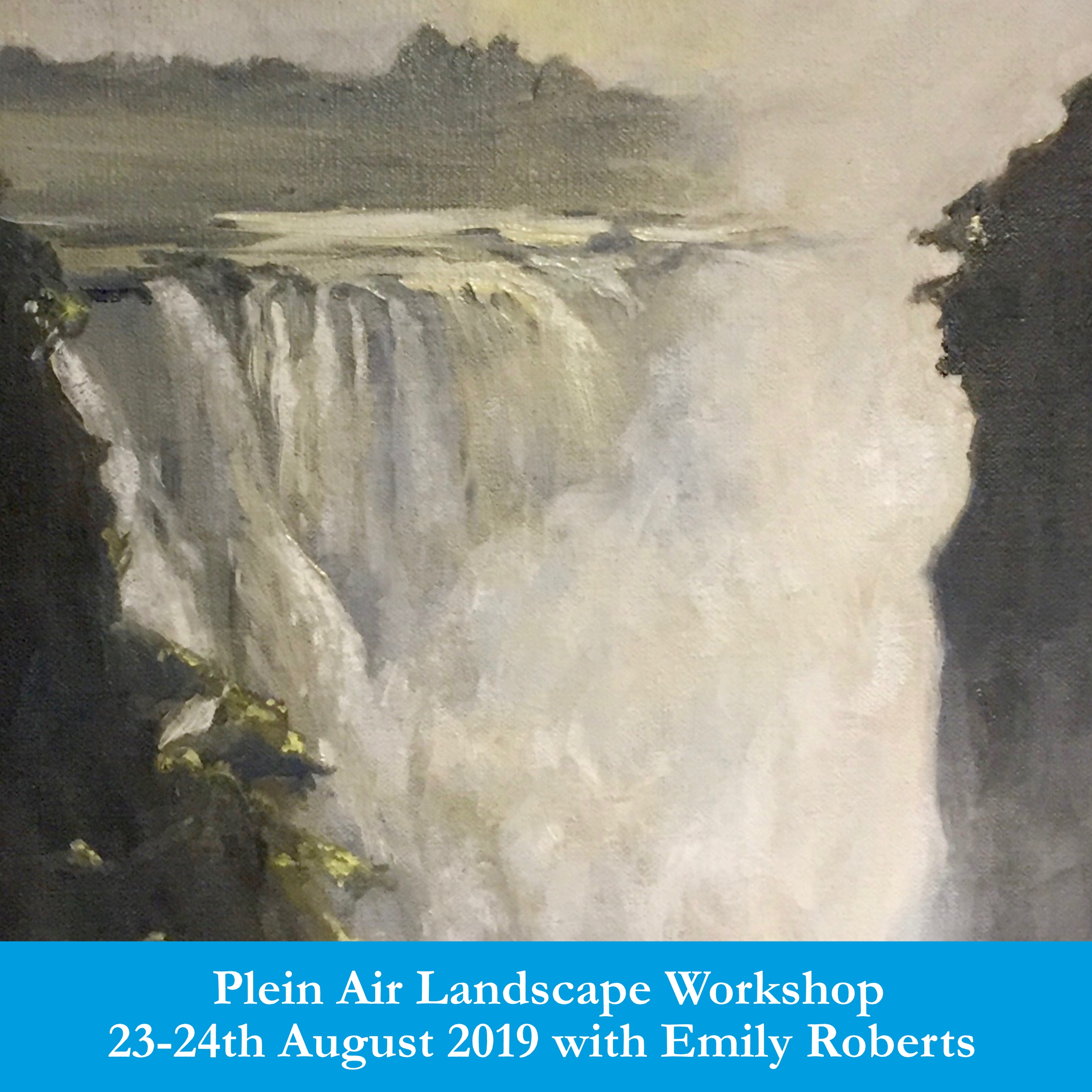
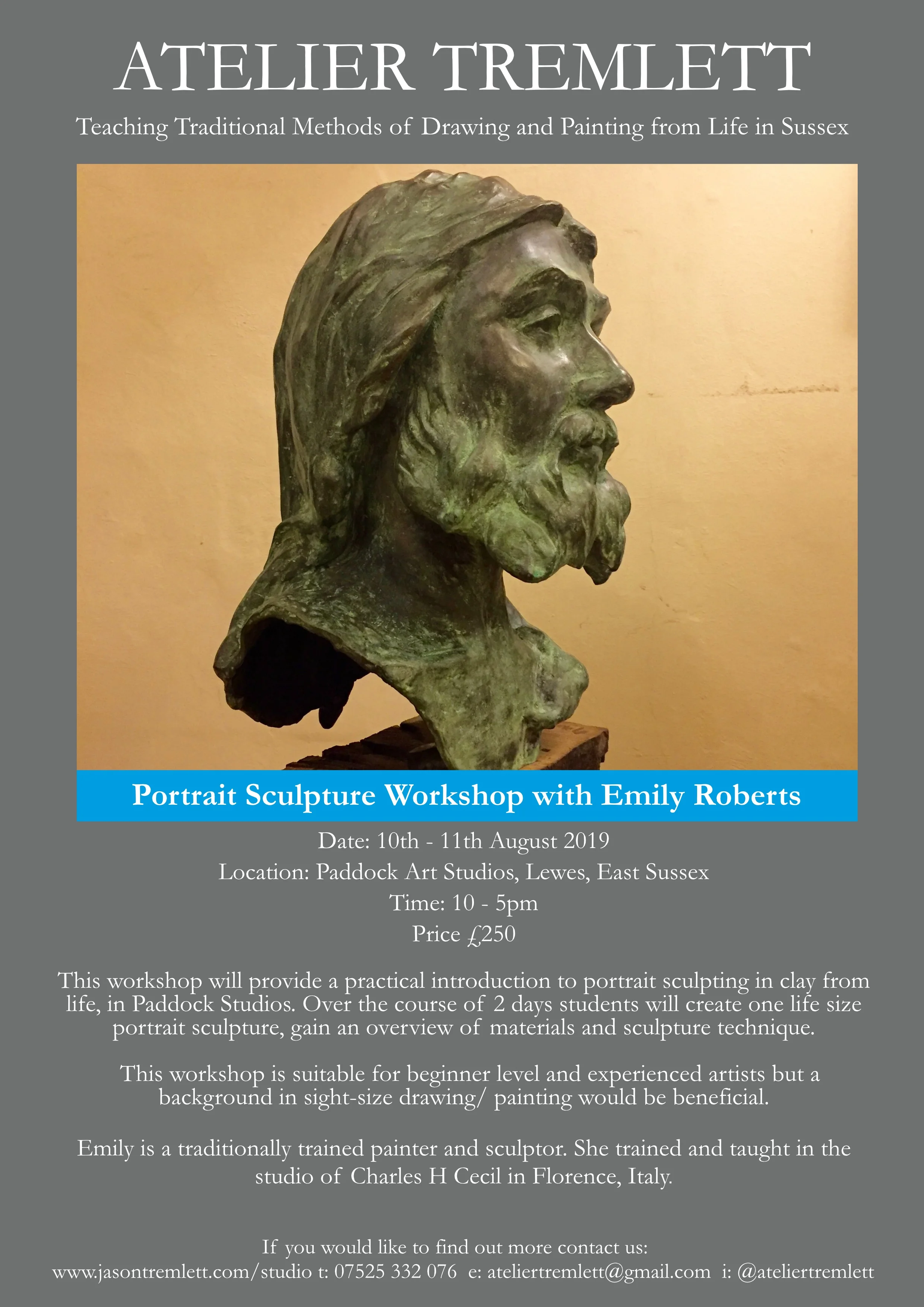
There is opportunity to join the Portrait Sculpture Workshop on 10th - 11th August and the Plein Air Landscape Oil Painting Workshop 23rd - 24th August with tutor Emily Roberts. Both of these workshops are suitable for all levels of ability whether a beginner or an experienced artist.
If you are interested or wish to know more do get in touch via the atelier email ateliertremlett@gmail.com

APPLICATIONS OPEN FOR 2019-2020
Applications are now open to the full and part time atelier programmes for the 2019 - 2020 Academic year.
Suitable for all levels, from beginner to the more experienced artist.
Students initially draw from plaster casts and the figure model in sustained poses over multiple sessions developing their eye to see. Once the required level of proficiency is obtained students move into oil paint. Students will begin with smaller portrait and still life projects before moving onto larger more challenging compositions.
If you are interested in applying to become a student or would simply like to know more about the atelier and its teaching programme just send us an email to ateliertremlett@gmail.com


NEW STUDIO
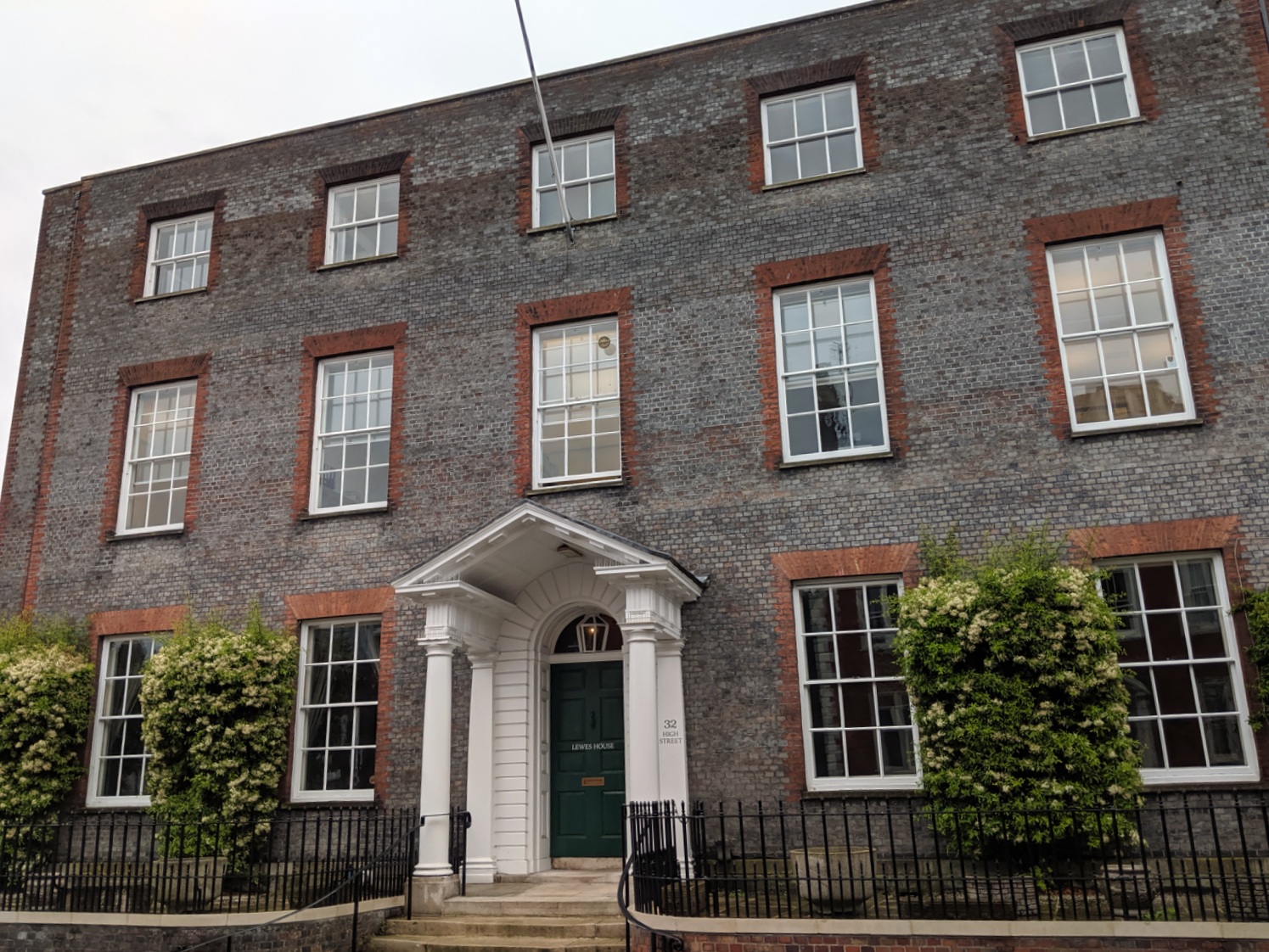
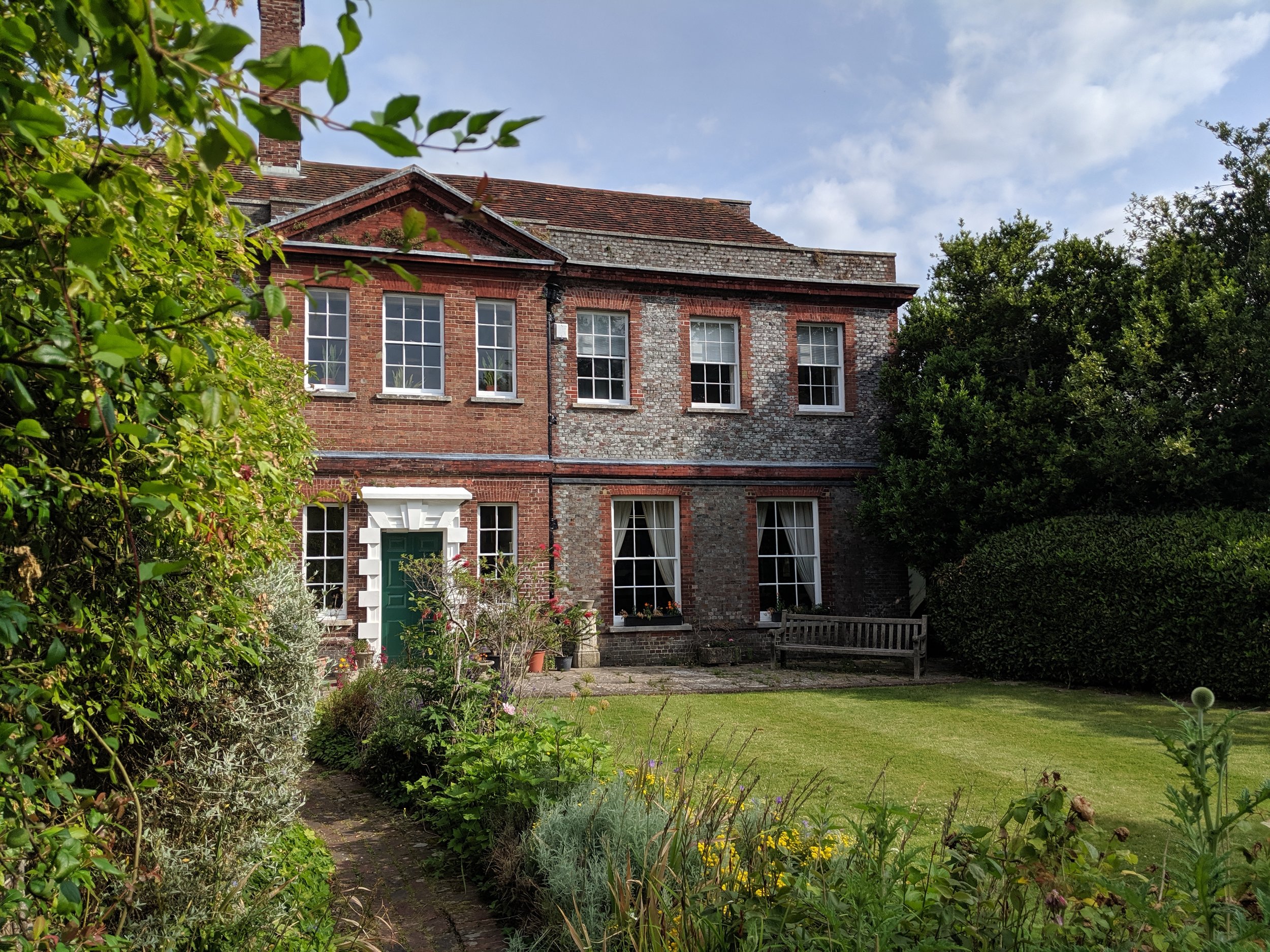
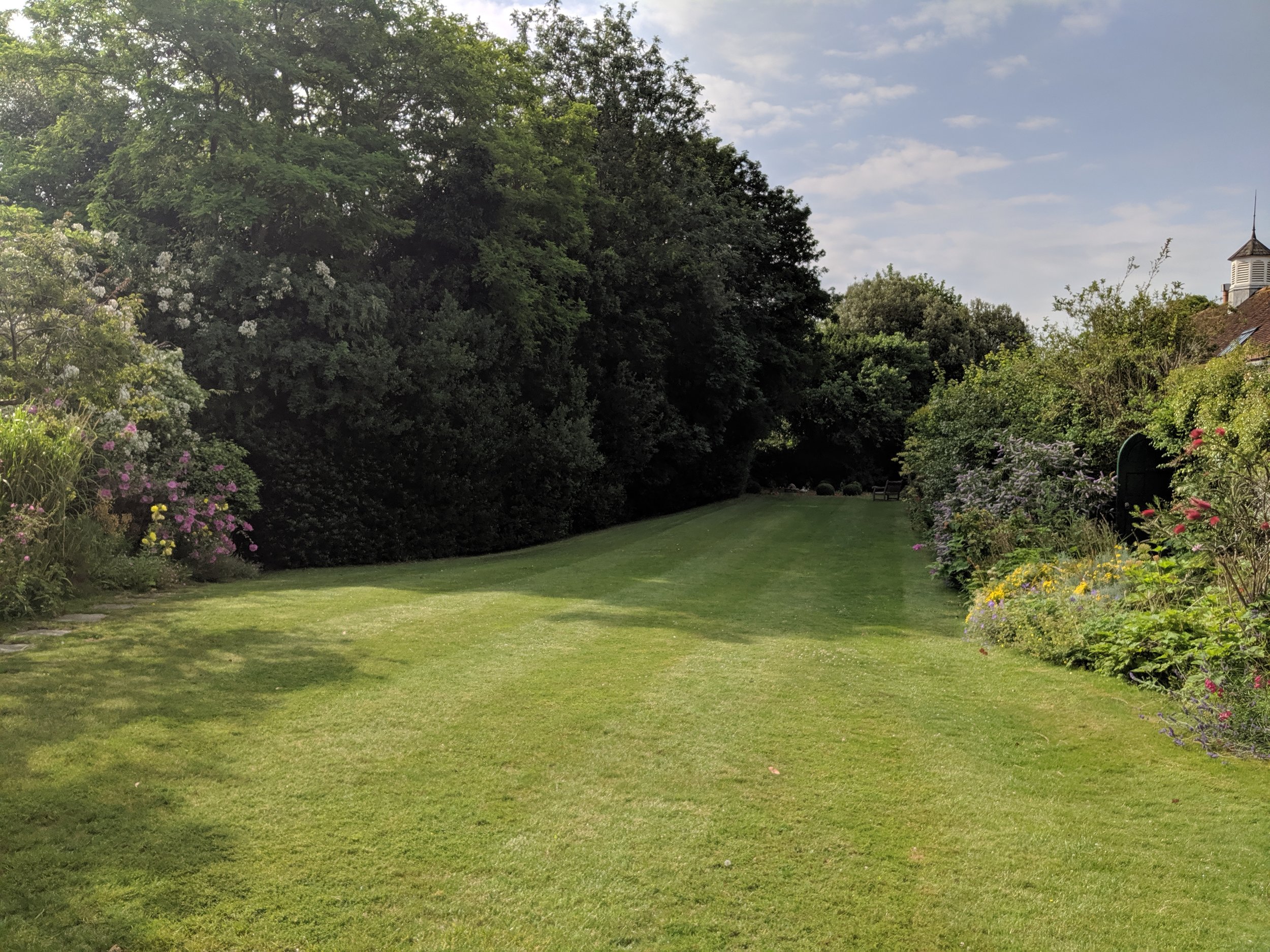
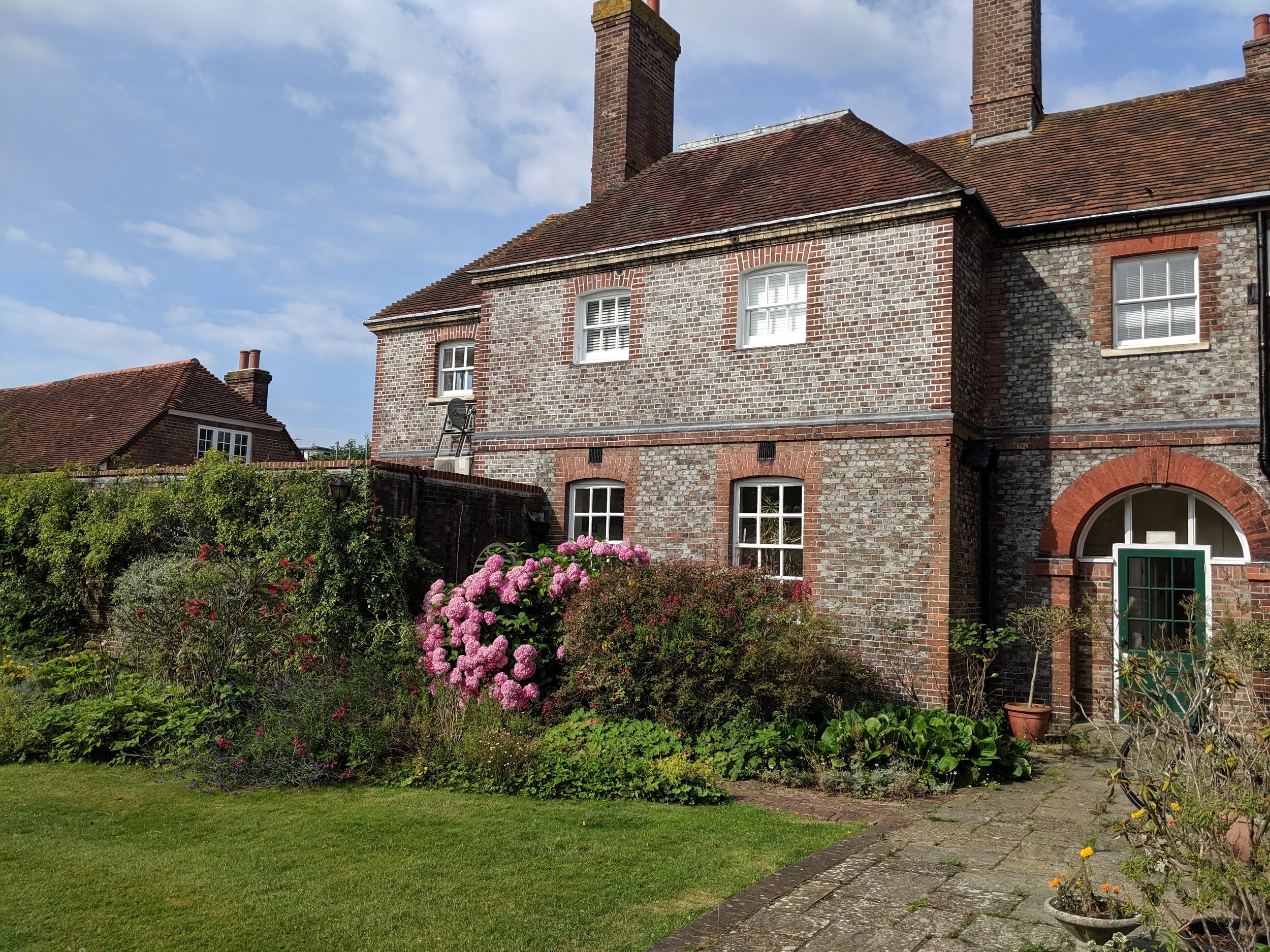
After a very successful 2018-2019 academic year we are excited and pleased to deliver the news that we are moving to a new studio. From September 2019 we will be located in Lewes House on Lewes High Street, a beautiful Georgian building with a secluded garden still right in the heart of the town.
We have outgrown our current studio at Fisher Street Studios which has been a wonderful place to be and are sad to be leaving it. The new studio however is just 5 minutes walk from our current location and this new larger space will allow for bigger, more ambitious projects and a daily figure drawing class.
We are very much looking forwards to moving in and welcoming our students through our new doors. Keep an eye out for an official launch party to celebrate later in the year.
STUDIO WEDDING
With great joy we would like to announce that on 13th June this year Jason Tremlett and Jennifer Kahlo finally tied the knot at The Southover Grange in Lewes.
We met for the first time 9 years ago at a life drawing class in Brighton which changed our lives forever. Since then we have shared our passion for the arts in the UK, Italy and Spain through studying, working and teaching together.
The studio on Fisher Street, where the atelier started, brought us to Lewes and very soon we moved our entire lives there (our beloved blind cat and all!), we did not foresee getting married here as well!
It is with the deepest heartfelt thanks that we say ‘Thank You’ to all of our wonderful friends and students for their love and support on our big and very happy day.



BASICS OF OIL PAINTING WORKSHOP WITH LIZET DINGEMANS
Join us for our first workshop of 2019, BASICS OF OIL PAINTING WITH LIZET DINGEMANS.
Date: 23rd – 24TH February 2019
Time: 10am-5pm
Location: Atelier Tremlett, Lewes
Price: £150
OVERVIEW
This course is aimed at artists who are unfamiliar with oil paints, and are looking to expand their knowledge in the tradition of oil painting from life, in an atelier environment. You will explore setting up a painting, as well as colour mixing and drawing with paint.
What you will learn:
The Basics of Oil Painting is a 2 day course focussing on learning the basics of naturalistic oil painting. Students will learn how to set up an oil painting, wet-into-wet as well as wet-on-dry techniques, manipulating oil paint using different brushes (hog vs synthetic) as well as the basics of naturalistic oil painting from life (drawing, grey values, edges, etc). Students will complete 2 oil paintings in 2 days. The goal is not to have a finished painting, but to gain confidence in painting in oils. Beginner level.
TUTOR
LIZET DINGEMANS
https://www.lizetdingemans.com/
Senior Tutor at London Atelier of Representational Art from 2015.
CONTACT
EMAIL: jasonctremlett@gmail.com
WEBSITE: https://jasontremlett.com/studio
'Human/Nature' Exhibition, London
Launching on 20th November at Old Brompton Gallery, London an exhibition of recent work including work from Jason and other Charles Cecil Studio alumni artists.
Featuring work by Brendan Fitzpatrick, Jack Ford, Rupert Knox, Emily Roberts, Gavin Tremlett and Jason Tremlett

Human/Nature Exhibition